Understanding Jueteng: A Closer Look at the Underground Numbers Game
Jueteng is an illegal numbers game that has been deeply entrenched in the fabric of Filipino society. Despite efforts by authorities to eradicate this illicit activity, it remains prevalent in various communities across the Philippines. In this article, we dig into the intricate details of jueteng, its societal impact, and the emerging trend of jiliplay gaming.
The Origins of Jueteng
Jueteng is believed to have originated during the Spanish colonial period in the Philippines. The word "jueteng" itself is derived from two Chinese characters, "hue" meaning flower, and "teng" referring to bet. Despite its foreign roots, jueteng has become an indigenous cultural phenomenon with its own set of rules and traditions unique to the Philippines.
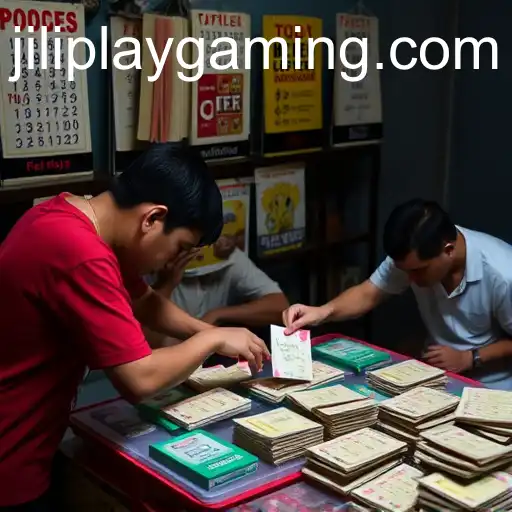
Typically played by those in lower-income communities, jueteng offers participants a sense of hope, however misleading it might be, for a quick financial turnaround. The mechanics of the game are simple yet have managed to captivate millions. Players choose a combination of numbers, typically two, and a draw determines the winners. It is these straightforward mechanics, combined with the minimal stake required to participate, that make jueteng irresistibly attractive.
Jueteng's Resilient Presence
Over the years, the Philippine government has launched various campaigns to suppress jueteng. Despite these efforts, the game still flourishes, primarily due to the socio-economic context it thrives in. In many areas, jueteng is not just a gambling activity but a part of the social culture.
Various reasons contribute to the resilience of jueteng. Firstly, it provides employment to many as it involves numerous roles, from the cobrador or collectors to those who conduct the draws. Secondly, for many bettors, jueteng serves as an ancillary source of hope amid economic challenges, offering a slim chance of escaping poverty. Lastly, the lack of consistent enforcement and the sometimes complicit behavior of local officials have allowed jueteng to operate, often in broad daylight.
The Influence of Jueteng on Local Politics
Jueteng's influence extends beyond gambling, reaching into the political arena. It's not uncommon for local politicians to be involved directly or indirectly with jueteng operators. In some instances, jueteng lords finance political campaigns or safeguard a political figure's hold over a constituency. Thus, the intricate relationship between jueteng and politics often hinders law enforcement efforts, creating a vicious cycle that perpetuates the game’s existence.
The so-called "protection money" collected from jueteng operators can sometimes provide for public projects, hence winning favor among constituents. While these contributions may have short-term benefits, they hinder the long-term development and integrity of political structures. The dependency on such funds diverts attention and resources from potential, legitimate, and sustainable solutions to poverty.
The Emergence of Jiliplay Gaming
As society becomes more digitized, traditional forms of gaming, including jueteng, face challenges and opportunities brought about by technology. The emergence of online platforms like jiliplay gaming signifies a transformation in the realm of numbers games. Unlike jueteng, which is illegal, jiliplay gaming exists within a legal framework, providing a regulated, virtual alternative to gambling practices.
Jiliplay gaming offers a modern experience that appeals to a new generation of gamers. Its integration of technology ensures transparency, and its legitimate status means that players can enjoy games without legal repercussions. Moreover, the platform gives operators the ability to offer a variety of game options, thus attracting a broader audience.
The Social and Economic Implications of Jiliplay Gaming
The advent of jiliplay gaming carries with it both opportunities and challenges for Filipino society. By providing a legal alternative, it has the potential to reduce the prevalence of illegal gambling, which thrives under the murky waters of unregulated industries. Participants can redirect their gambling activities to a platform that ensures fair play and accountability.
However, this transition also raises concerns. The accessibility of jiliplay gaming may lead to increased gambling rates among those prone to addiction. Moreover, it could potentially impact the existing employment associated with traditional games like jueteng. Communities reliant on the informal economy fostered by jueteng may find themselves disenfranchised amid the rise of technology-driven alternatives.
Regulatory and Ethical Considerations
For jiliplay gaming to serve as an effective substitute, appropriate regulatory measures need to be established. The government faces the challenge of crafting laws that balance fostering innovation with protecting vulnerable segments of the population from gambling abuses.
Ethically, there is an imperative to ensure that transitioning traditional gamblers to online platforms is done in a manner that supports their well-being. Measures such as providing education about responsible gambling and ensuring access to support systems for addiction are crucial components of this effort.
Concluding Thoughts
The dichotomy between traditional games like jueteng and emerging platforms like jiliplay gaming encapsulates the broader tension within society between established customs and modern innovations. The transition between these two forms of gaming has significant implications, not just for players, but for broader societal and economic structures.
In navigating this complex landscape, stakeholders must consider both the historical significance of traditional games and the potential of modern alternatives to redefine the gambling experience in a way that aligns with legal, social, and ethical standards.